AMORVERO
PTEN
01 / 12

Todos são bem-vindos. Welcome.

Amorvero is a philosophy of culture, expressed through legacy hospitality venues. When the old restaurants and bars close, a neighbourhood loses the place where its people meet. The price of a plate of food is politics. Hospitality is politics.

Amorvero connects legacy venues with investors. Keeping places going instead of building new ones.

Repairs over replicas.

Buying into culture, not buying it out.

Legacy is luxury.

Everyone is welcome.

A restaurant doesn't need to be another echo chamber.
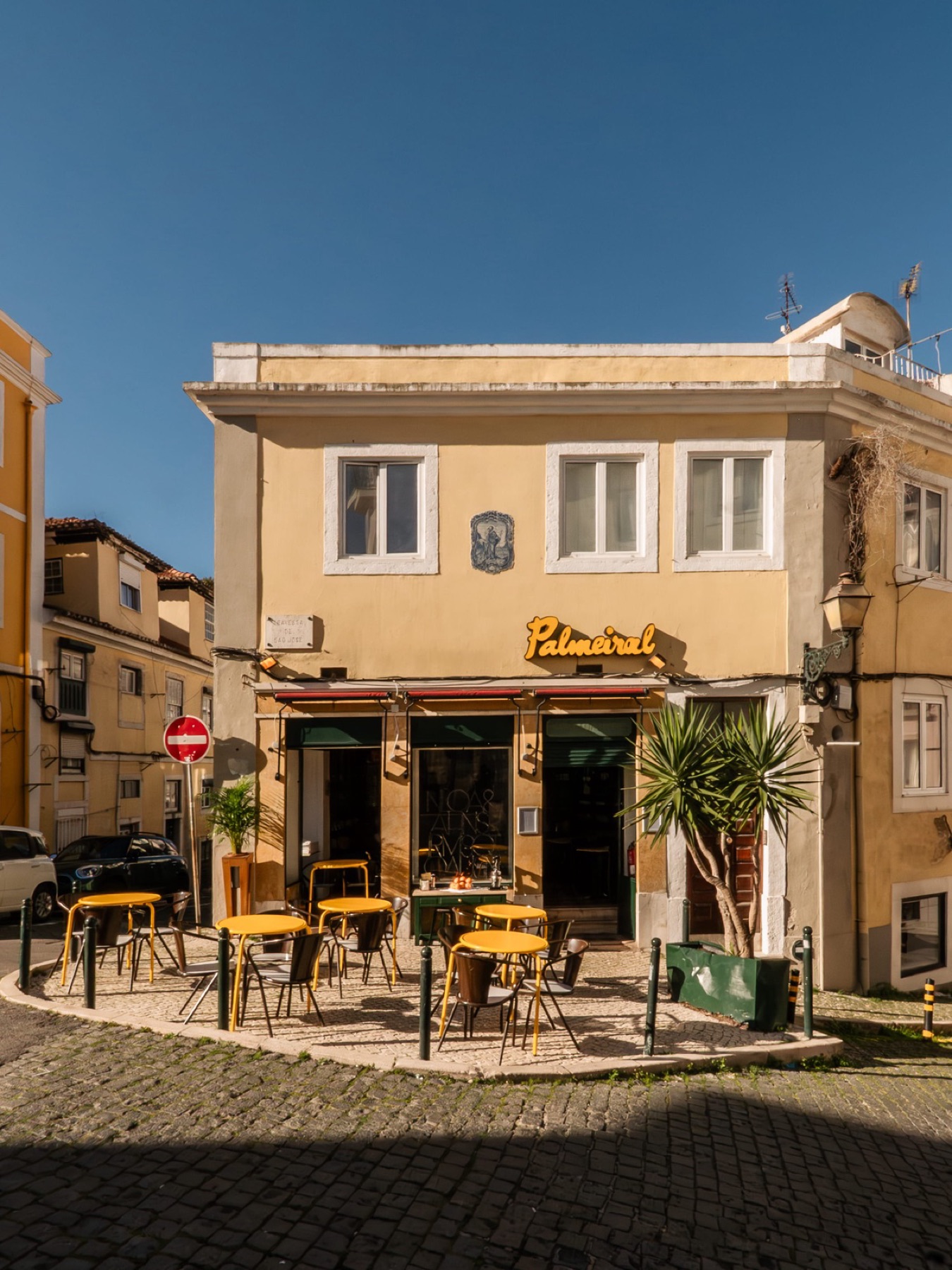
O Palmeiral on the corner of Travessa de São José, Príncipe Real, with yellow tables on the terrace
The founder's own restaurant. Not an Amorvero venue.
Proof of method

O Palmeiral

An 1870 grocery shop on Travessa de São José. Original cabinetry, the old shop fittings still in place. Its owner had turned down every offer for fifteen years, because every offer was a buy-out.

In 2023 Daniel Bernardi bought in instead. The owner kept half.

Building
1870 grocery shop, Príncipe Real
Seats
34 — 18 inside, 16 on the terrace
Kitchen
Italian and local. No freezer.
Ownership
Co-owned with the legacy owner since 2023
Prospectors Map
Hospitality needs great service, but it also needs great guests.
Get in touch

Two ways in.

Know a venue that might need some help?

A favourite, your family's, or one you've simply spotted from the street.

A tasca with paper tablecloth announcing lunchtime specials. A café still serving cariocas to avôs.

We buy into existing businesses, we do not buy them out.

Tell us what you've seen, and share a photo.

Interested in investing?

We connect investment capital to unique venue propositions. Not a fund, not a portfolio.

Each venue is priced on its own merit. You see the numbers before anyone signs.

Opportunities are never announced publicly. Let us know you're interested.

FAQs

What are the guiding principles?

These principles carry the intent of the partnership, not the details. Legacy, investment, Amorvero.

  1. Three parties, and the team. The owner brings the room: the lease or the building, the name, the regulars. The investor brings the cash. Amorvero brings the deal and then runs the operation. The team runs the room day to day, and can come to own part of it.
  2. No conglomerate. Each deal sits in its own company, with its own accounts and its own partners. Where two venues genuinely belong together — neighbours, one family, one kitchen — they can share a company. What they never do is fold into a group. No umbrella, no cross-holding, no venue carrying another's trouble.
  3. One share. Every partner holds the same class of share, at the same price, on the same day. No side letters.
  4. Amorvero is paid in shares, then in fee. No brokerage fee. Amorvero is paid in shares for finding the venue, building the deal and setting the path forward. Thereafter it is paid a management fee for running the operations.
  5. Order of payment. Wages, suppliers, rent, the management fee and the maintenance reserve come first. What's left is shared once a year, pro rata, to every share equally.
  6. The family stays. The owner remains a partner for as long as the family wishes, and the share passes to whoever inherits it. Heirs who don't want to run a restaurant don't have to. They can hold it, or sell it under clause 8.
  7. The room has a key. Repairs over replicas. Fixtures, fittings and the shape of the place change by majority. The name over the door changes only if the owner agrees.
  8. Getting out. The return on shares is dividends. A partner who finds a buyer outside must first offer the same shares to the other partners, on the same terms, with the offer shown. If nobody takes them, the sale goes ahead.
  9. More money, later. A business needs capital again — the oven, the roof, a bad year. It comes as a loan or as new shares, from any partner, the incoming manager, or an agreed outsider. New shares are offered to every partner first, so nobody is diluted by surprise.
  10. The team can buy in. Whoever runs the venue well can request to buy into the business. It is a route, not a requirement. A venue can equally pay a manager a wage and leave it there.
  11. Standards. Fair shifts, trained teams, honest sourcing, contracts kept. Every partner signs up to them. Every partner is held to them.
  12. Removing a partner. Only for theft, fraud, conviction or serious breach of clause 11. And only by forced sale at market price. Falling out is not grounds. Nobody is expelled for being difficult or annoying.
  13. What Amorvero carries. The searching, the conversations that go nowhere, the accountants on venues that never sign. Years of it, paid for by Amorvero, for every one that works.
  14. What you risk. What you put in, and nothing beyond it. Hospitality is a risky business and some of these will fail. Portuguese law. Lisbon courts.
How do I find out more?

Fill in the form that fits. If you know a venue, or own one: Know a venue If you have cash to invest: Cash to invest

Who is behind the project?

Daniel Bernardi, Italian-Irish, living between Lisbon and the Alentejo. Owner of Restaurante O Palmeiral, located in an 1870 grocery store in Príncipe Real, together with Bruno who first turned the old shop into a restaurant 20 years ago. Daniel also runs parties, projects and events through his London agency, TRUE Hospitality.